
What we believe, and how it works in practice
Two things happen when you take us on. Someone picks up the phone when a decision has to be made — a discharge, a diagnosis, a house that isn’t working any more — and someone gets sent to do a job you’re not there to check on. Here’s the thinking behind both, how we brief the people we send, and how it all comes back to you.
The thinking behind how we work
Whatever gets put in place works better when the older person had a say in it. So we make the plan with them, not for them — and we start from four things we’re fairly sure of.
Safe is the floor, not the finish
Most care planning stops the day the house is safe and someone’s coming in twice a week.
That’s the beginning. Strength, company and a reason to get up in the morning are what keep a person independent for longer — an exercise coach, a day-care service, engagement with the local community. That’s the conversation we want to be having with you, and it’s what a family support advisor is for.
The small jobs are what tip the balance
Nobody moves out of their home because of one big thing. It’s the gutter, the grass, the bulb nobody can reach and the shower that’s become a hazard. Getting those done — with the right supplier, and grant funding where it exists — buys more independence than most people expect, which is why we organise them rather than just advising you to.
Someone should be in the room
Appointments are where the decisions get made, and they get made in fifteen minutes with a tired person who doesn’t want to make a fuss. A driver who goes in, says the thing you’d have said and writes down what was decided is worth more than the lift itself.
Guessing is the hard part
The worst of it is the not knowing — whether last week was a bad week or the start of something. Steady, quiet information about how someone’s actually doing between visits settles that, and gives you something better than a hunch to bring to the GP.
What a visit actually looks like
1. You set the jobs
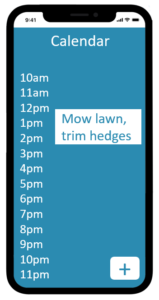
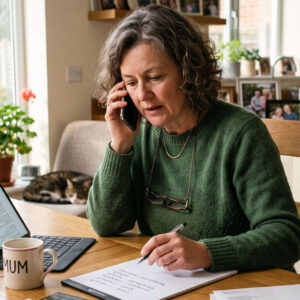
Ring, schedule or send an email with the required job in your own words. No quotes to chase, no need to know what kind of tradesperson you’re looking for.
2. We find someone local
We research local suppliers and verify their business credentials so you can make an informed choice.
3. They turn up and do the work
You pay them directly for the work itself. We can stay in the middle of it — chasing dates, confirming times, and ringing them if they don’t appear.

4. We report back when it’s done
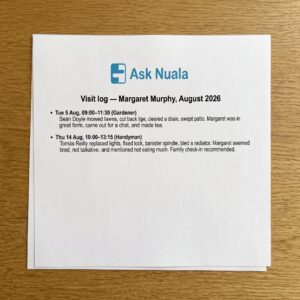
We follow up afterwards and share a completion report with your selected care circle.
The same thing at the hospital door
You write the brief
“2pm appointment with Dr Murphy. Bring the rollator. She’s up to the bathroom five times a night, seems confused, not herself.”
Choose what to share
You decide what’s shared, every time. Nothing goes with the driver that you haven’t put there yourself.
The driver speaks up
Nothing gets forgotten in the room because the person in the room was tired, or didn’t want to make a fuss.
You get the outcome
“Seen at 3pm. Confirmed UTI. Prescription left in the key box.”
Frequently asked questions
Who are your suppliers?
We source people right across the country — Donegal to Cork — and check them out before they ever knock on a door.
Photo ID, a confirmed postal address, and insurance is a minimum.
Many also have customer ratings and Garda vetting.
You see what we hold on each one, so you can make an informed choice about who works in the house.
Who's paying who?
The agreement for the work sits between you and the supplier. Our job is to organise the visit, confirm it happened, collect the report.
Can I not use a charity instead?
Often, yes. If we’re aware of a charity that can help, we’ll point you to it.
Can you help me find a good carer?
We’re not a care agency and we don’t deliver the care itself. We’ll find you a carer; we won’t be the carer.
Do you provide medical advice?
No, our role is to represent your interests and help you find the best support services available. We’ll direct you to the right HSE department, but medical decisions stay with your GP and clinical team.
What financial advice do you offer?
What does it cost?
An evaluation visit costs €100. You’ll meet the team and get a written proposal based on your needs. See pricing for details.
Start with a conversation
Book an evaluation
Meet your driver in person, see the smart bracelet then speak with a family support advisor and concierge.
Create an action plan together
Get a monthly report
Every visit timestamped, what was done and how your relative seemed on the day.